
Mould Removal
Rapid Water Damage Restoration for Bellevue Hill Properties
Bellevue Hill’s mix of heritage homes, modern apartments, and commercial buildings means water damage can manifest in different ways. Whether it’s a burst pipe in a ceiling space, stormwater seeping into a basement, or a malfunctioning appliance flooding a kitchen, our team arrives prepared with the right tools and expertise to handle the situation efficiently.
We begin with a thorough assessment to identify the source and extent of the water intrusion. Using industrial-grade extractors, we remove standing water quickly, then deploy high-powered air movers and dehumidifiers to dry walls, floors, and hidden cavities. This process is critical in Bellevue Hill, where older properties may have vulnerable subfloors or wall structures that retain moisture.
Our approach isn’t just about drying surfaces. We monitor moisture levels in materials like timber, plaster, and concrete to ensure complete restoration. This attention to detail helps prevent long-term issues such as warping, swelling, or structural weakening that can affect property value and safety.
For businesses in Bellevue Hill, we understand the importance of minimising downtime. Our team works efficiently to restore commercial spaces, from retail stores to office buildings, so you can resume operations as soon as possible. We also coordinate with property managers and tenants to ensure a smooth process.
Warning Signs of Water Damage in Bellevue Hill
Water damage isn’t always obvious. In Bellevue Hill, where properties range from historic homes to high-end apartments, these signs can indicate a hidden problem:
- Visible water stains on ceilings or walls, often in corners or near pipes
- Musty odours, particularly in enclosed spaces like basements or under stairwells
- Peeling paint or bubbling wallpaper, especially in areas prone to moisture
- Warped or buckling floorboards, common in older Bellevue Hill homes with timber flooring
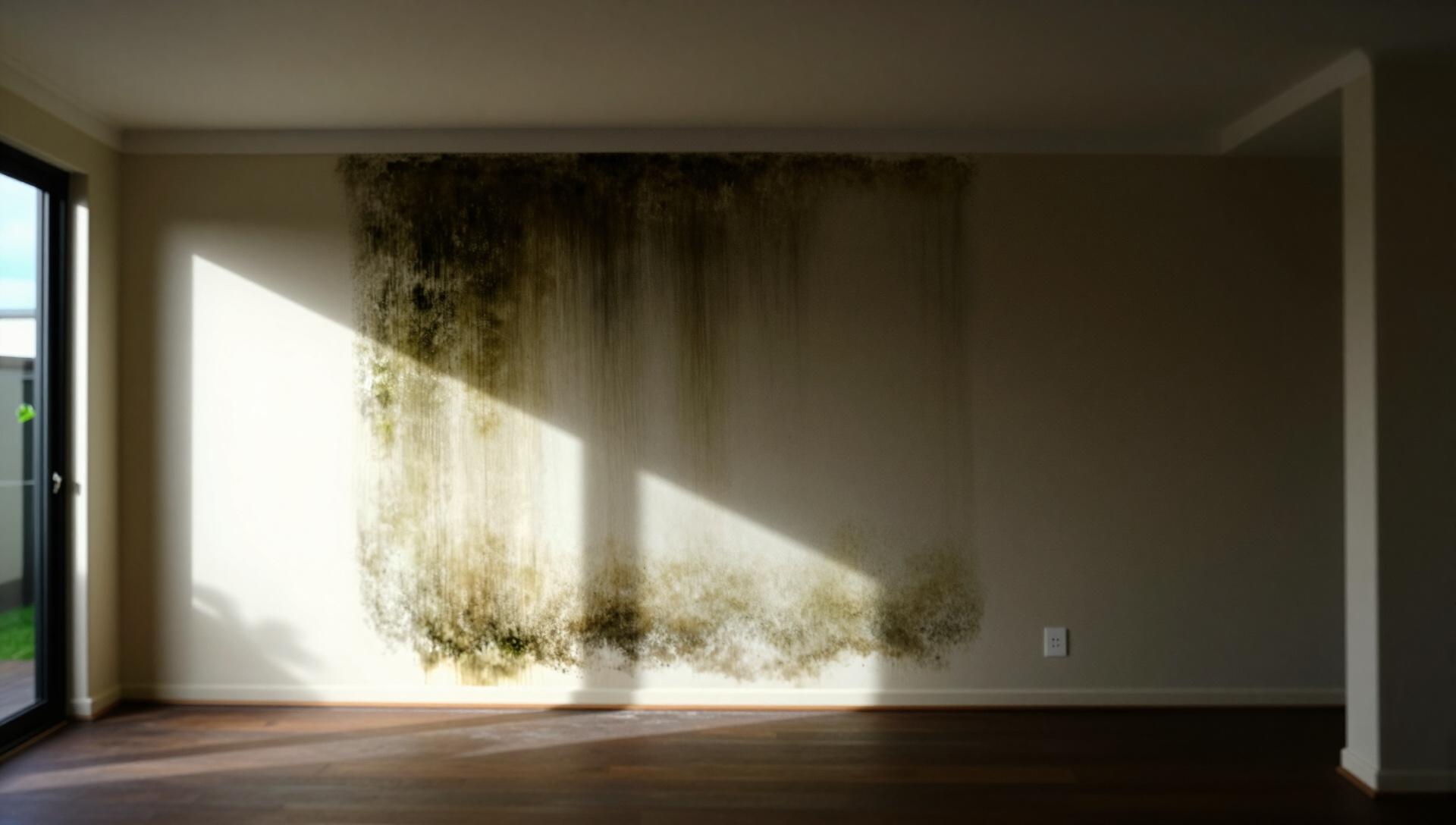
- Mould growth in bathrooms, kitchens, or behind furniture
- Unexplained increases in water bills, suggesting a hidden leak
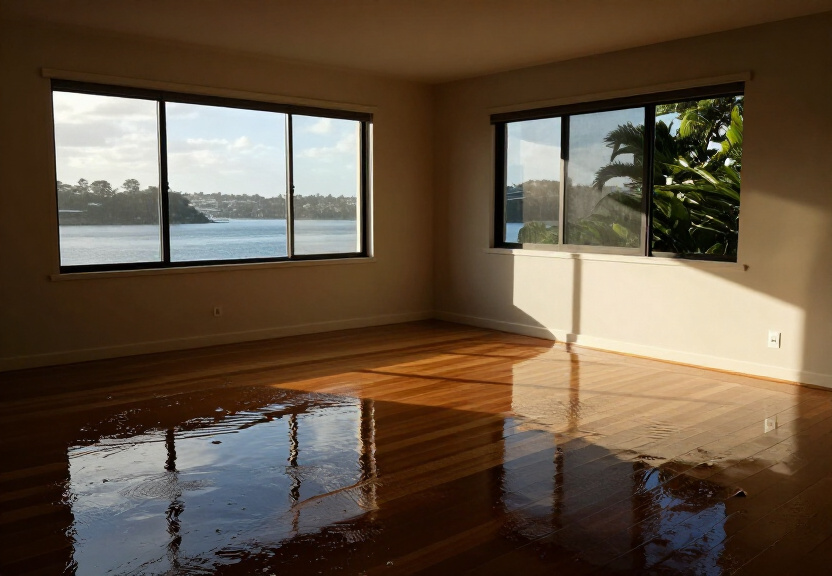
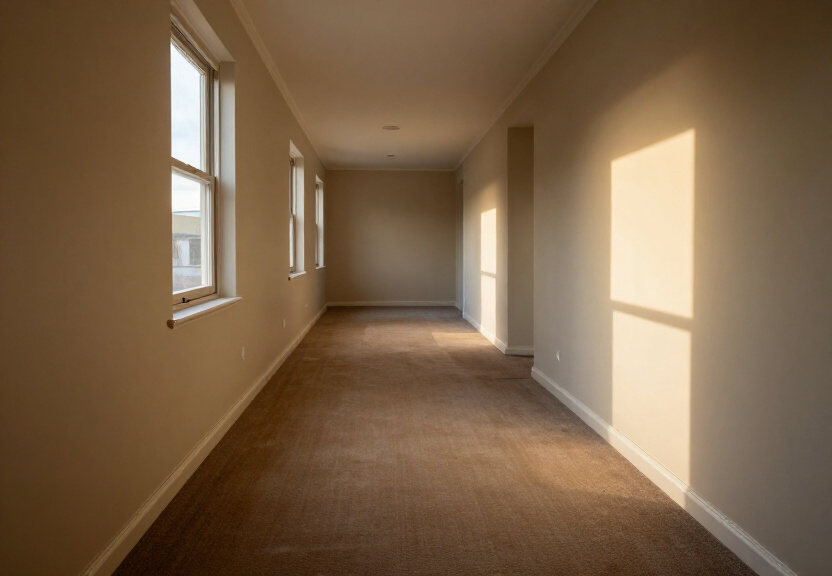
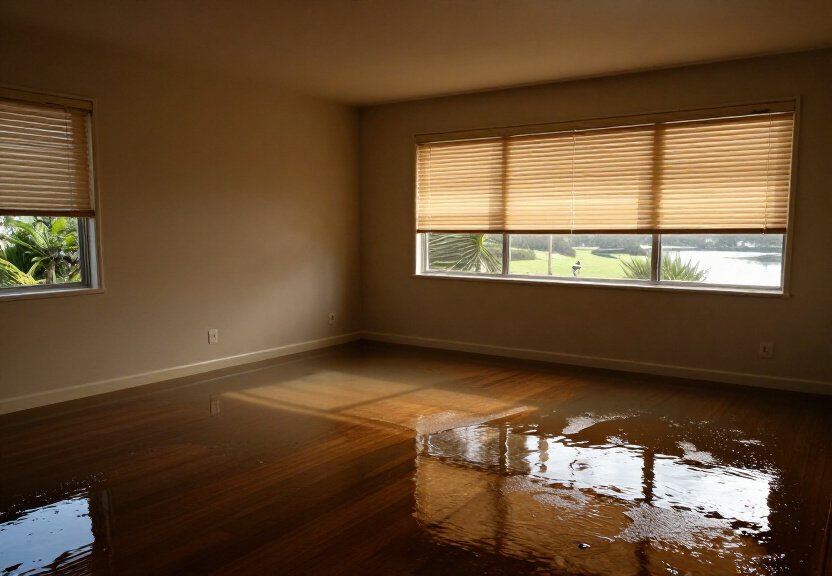
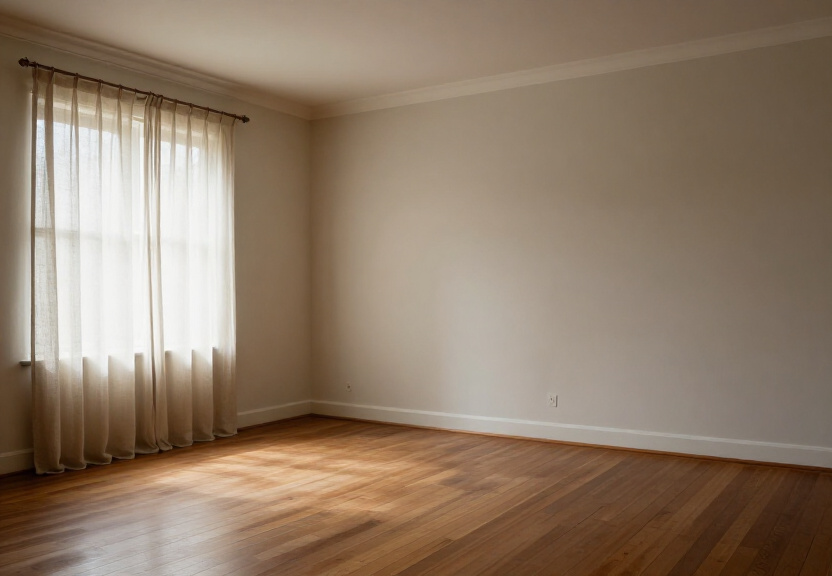
Before and After: Water Damage Restoration in Bellevue Hill
See the difference our emergency water damage restoration makes for properties in Bellevue Hill. From flooded basements to leak-damaged ceilings, we restore spaces to their pre-damage condition.
Why Choose Our Water Damage Restoration in Bellevue Hill?
- Local expertise with Bellevue Hill’s unique property types and common water damage issues
- 24/7 availability for emergencies, including weekends and public holidays
- Advanced drying technology to handle hard-to-reach areas like subfloors and wall cavities
- Transparent process with clear timelines and regular updates
- Focus on preventing secondary damage, such as mould or structural deterioration
- Experience working with both residential and commercial clients in the Eastern Suburbs
Who We Help in Bellevue Hill
Residential Water Damage Restoration
Bellevue Hill’s residential properties, from grand heritage homes to modern apartments, require tailored solutions for water damage. Our team addresses:
- Burst pipes in ceiling spaces or under floors, common in older homes
- Stormwater intrusion through windows, doors, or damaged roofing
- Appliance leaks in kitchens, laundries, or bathrooms, often affecting adjacent rooms
Commercial Water Damage Restoration
Businesses in Bellevue Hill, including retail stores, offices, and restaurants, rely on us for rapid water damage restoration to minimise disruption. We handle:
- Flooding from sprinkler systems or plumbing failures in commercial buildings
- Water damage in storage areas, server rooms, or inventory spaces
- Leaks in tenant spaces that could affect multiple businesses
Benefits of Professional Water Damage Restoration
Prevents Structural Damage
Prompt water extraction and drying prevent long-term issues like wood rot, rust, or foundation weakening. In Bellevue Hill, where many properties have timber frames or decorative plasterwork, this is especially critical to preserve structural integrity.
Reduces Health Risks
Standing water and excess moisture create ideal conditions for mould and bacteria growth. Our thorough drying and sanitation processes eliminate these risks, protecting the health of your family, employees, or customers.
Saves Time and Money
The longer water sits, the more extensive and costly the damage becomes. Our fast response and efficient restoration process help minimise repair costs and prevent the need for major renovations.
Restores Peace of Mind
Dealing with water damage is stressful. Our team handles every aspect of the restoration, from initial assessment to final cleanup, so you can focus on what matters most. We also provide practical advice to help prevent future incidents.
Our Commitment to You
We stand by the quality of our work and the effectiveness of our water damage restoration process. Our goal is to restore your property to its pre-damage condition as quickly and thoroughly as possible.
Serving Bellevue Hill and the Eastern Suburbs
Bellevue Hill’s proximity to the coast and its mix of older and modern properties make it particularly vulnerable to water damage from storms, leaks, and flooding. Our team is familiar with the area’s unique challenges, including the need for rapid response in high-density suburbs and the importance of addressing hidden moisture in heritage buildings. We also serve nearby areas like Double Bay, Paddington, and Woollahra, ensuring fast, reliable service across the Eastern Suburbs.
Frequently Asked Questions About Water Damage Restoration in Bellevue Hill
We aim to arrive within 1-2 hours of your call for emergency situations in Bellevue Hill. Our local team is on standby to provide same-day service, even for after-hours emergencies.
Coverage depends on your specific policy and the cause of the damage. We recommend contacting your provider directly to confirm. Our team can provide detailed documentation of the damage and restoration process to support your discussions.
Yes, we offer content restoration services for furniture, documents, and other belongings affected by water damage. Our team will assess each item and use appropriate cleaning and drying techniques to salvage as much as possible.
The duration depends on the extent of the damage and the size of the affected area. For most residential properties in Bellevue Hill, the drying process takes 2-5 days. We’ll provide a clear timeline after our initial assessment.
Safety first. Turn off electricity to the affected area if it’s safe to do so, and avoid walking on wet floors. If possible, remove small, undamaged items to a dry area. Do not attempt to use household vacuums or fans, as these can spread contamination.
Regular maintenance is key. Check for leaks under sinks, around appliances, and in roof spaces. Ensure gutters and downpipes are clear, and consider installing a sump pump if your property is prone to flooding. In older homes, inspect pipes and plumbing regularly for signs of wear.
What Our Bellevue Hill Clients Say
"After a pipe burst in our ceiling, we were worried about the damage to our heritage home. The team arrived quickly, dried everything thoroughly, and even helped us salvage some of our furniture. Their attention to detail was impressive."
"Our restaurant in Bellevue Hill flooded during a storm, and we needed to reopen as soon as possible. They worked around the clock to dry the space and get us back in business. Their professionalism and efficiency were outstanding."
"I noticed a musty smell in my apartment and wasn’t sure what was causing it. The team identified hidden water damage behind a wall and fixed it before it became a bigger problem. Their service was thorough and stress-free."
Related Services in Bellevue Hill
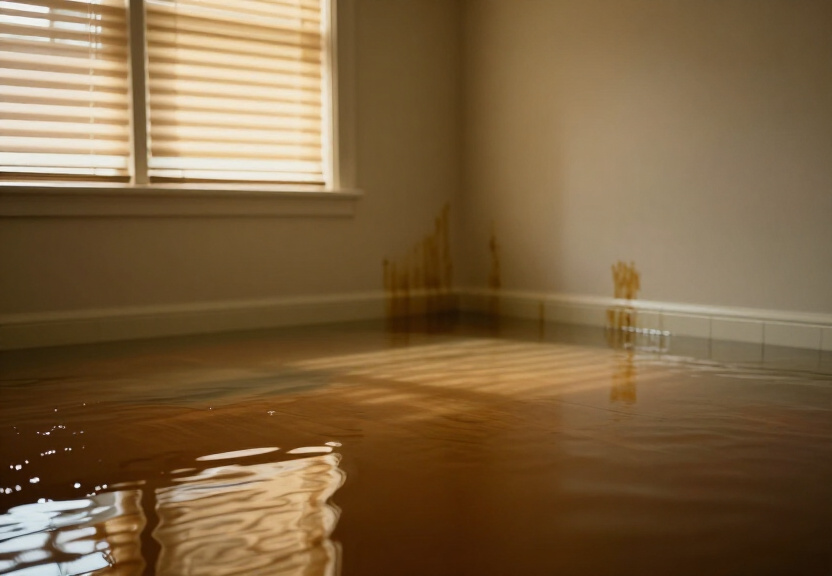
Water Damage Restoration
Water damage restoration brings the property back to a safe, habitable state by assessing affected materials and managing the full drying and repair plan. From water-impacted finishes to documentation needs, the service supports a complete recovery approach.
Learn More →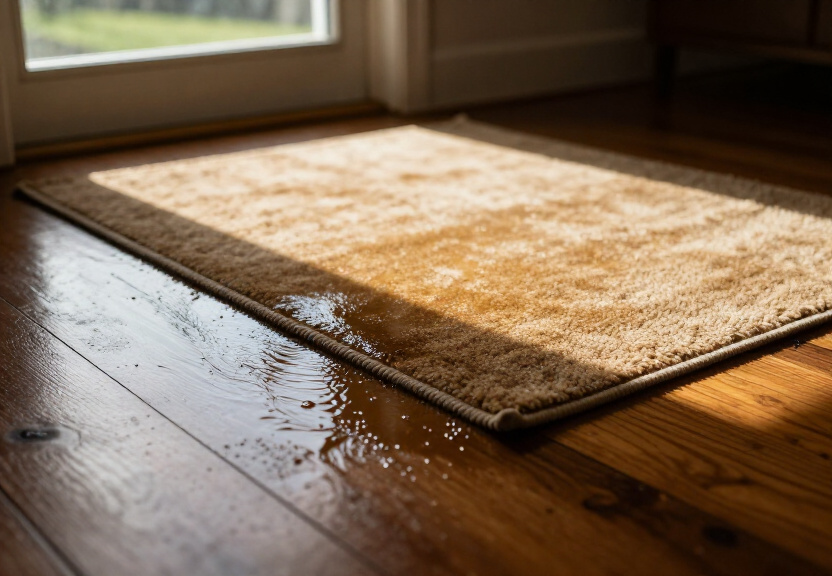
Wet Carpet Drying
Wet carpet drying repositions affected flooring, extracts surface water, and dries fibres and backing without unnecessary reinstallation. Controlled airflow and dehumidification help minimise shrinkage, staining, and persistent dampness that can lead to odours.
Learn More →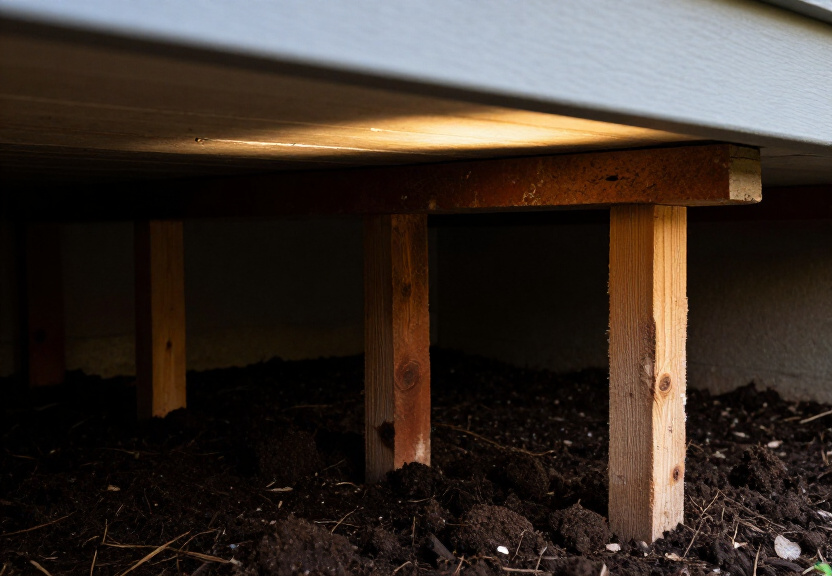
Subfloor Moisture Removal
Subfloor moisture removal tackles dampness beneath flooring where water can pool or wick into timber and other materials. Controlled extraction and drying help protect structural elements and minimise ongoing odour or mould problems.
Learn More →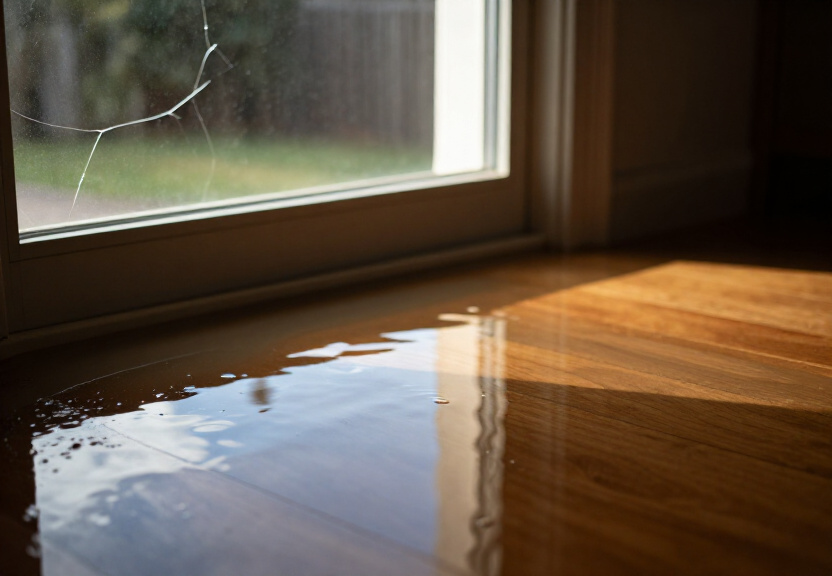
Water Extraction And Removal
Water extraction and removal quickly removes floodwater using appropriate pumps and extraction equipment. Removing bulk water early reduces damage, limits contamination spread, and accelerates the subsequent drying stage for faster recovery.
Learn More →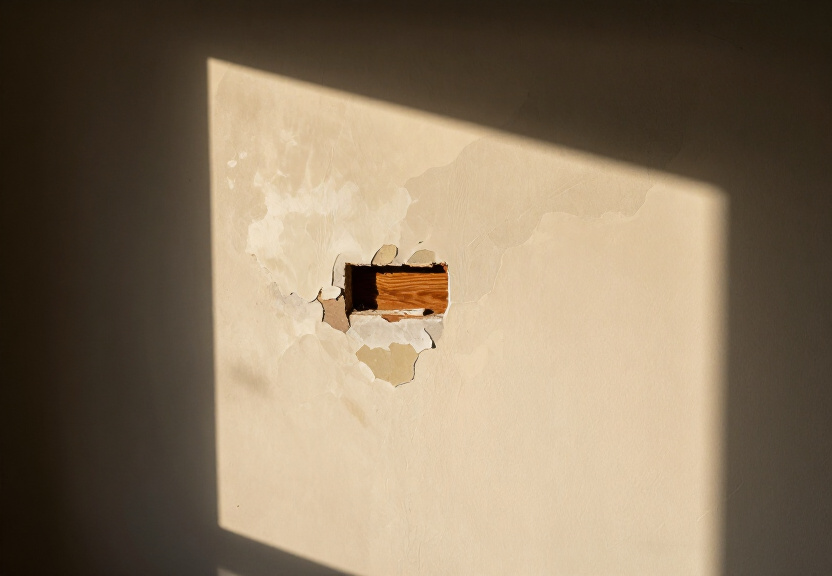
Structural Drying
Structural drying restores building materials to safe moisture levels using calibrated air movers, dehumidification, and continuous monitoring. This reduces risks like swelling, paint failure, and hidden microbial growth inside walls, floors, and roof spaces.
Learn More →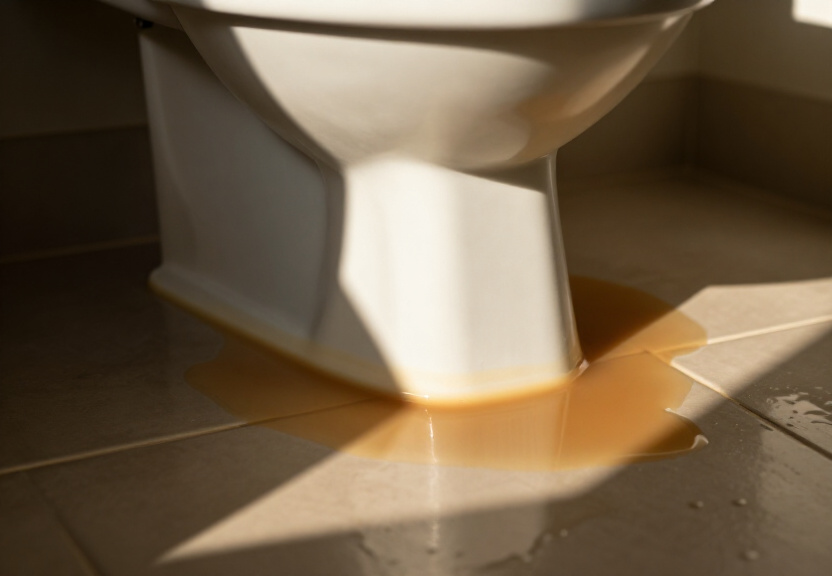
Sewage Cleanup
For contaminated water incidents, sewage cleanup includes removal of soiled residues and thorough disinfection of impacted surfaces. The workflow focuses on health and hygiene, reducing contamination risk while preparing areas for controlled drying and restoration.
Learn More →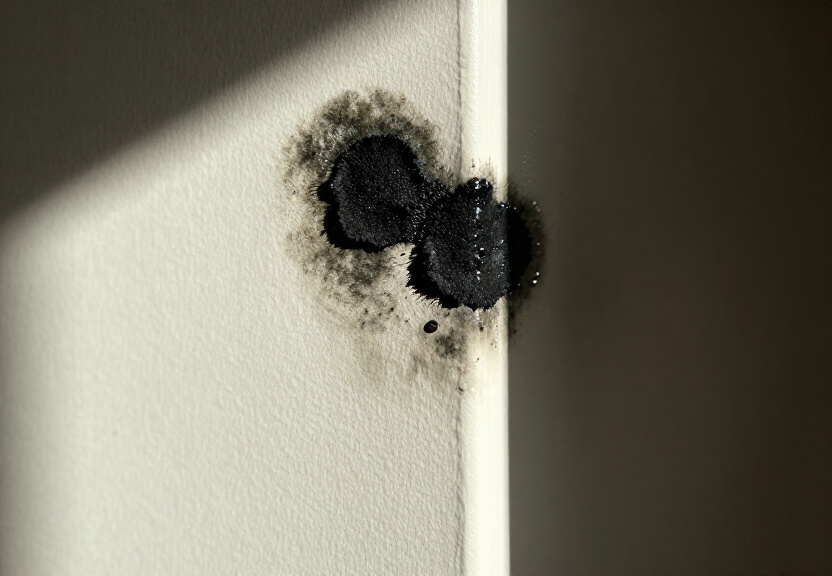
Mould Removal
When mould colonies have formed, mould removal isolates the affected areas and removes contaminated materials safely. After extraction, the space is sanitised so surfaces are ready for drying and rebuild, restoring a cleaner indoor environment.
Learn More →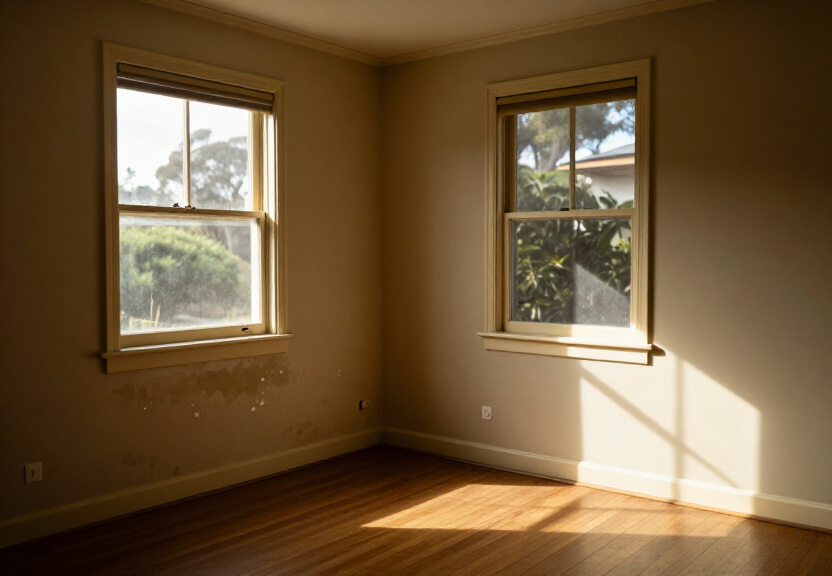
Odour Removal
Persistent flood odours from contaminated finishes and trapped moisture are addressed with targeted odour removal. We use odour control methods designed to neutralise lingering compounds, helping eliminate musty smells rather than simply masking them.
Learn More →
Mould Prevention Treatment
After floodwater recedes, apply mould prevention treatment to affected ceilings, walls, and concealed voids where spores can take hold. The process targets damp substrates and helps reduce the chance of recurring growth while restoration works proceed.
Learn More →